18 Oct 2026
Composer Features Driving Ownership Shifts in Horror Franchises on Digital Platforms
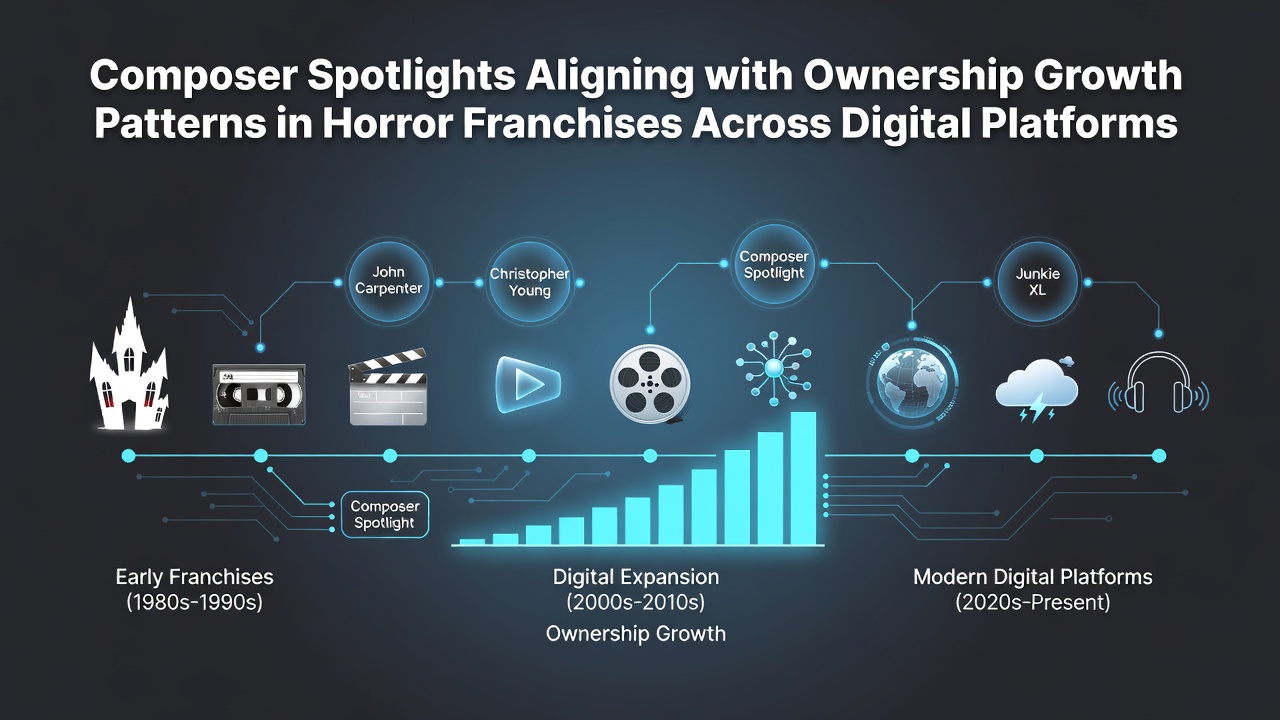
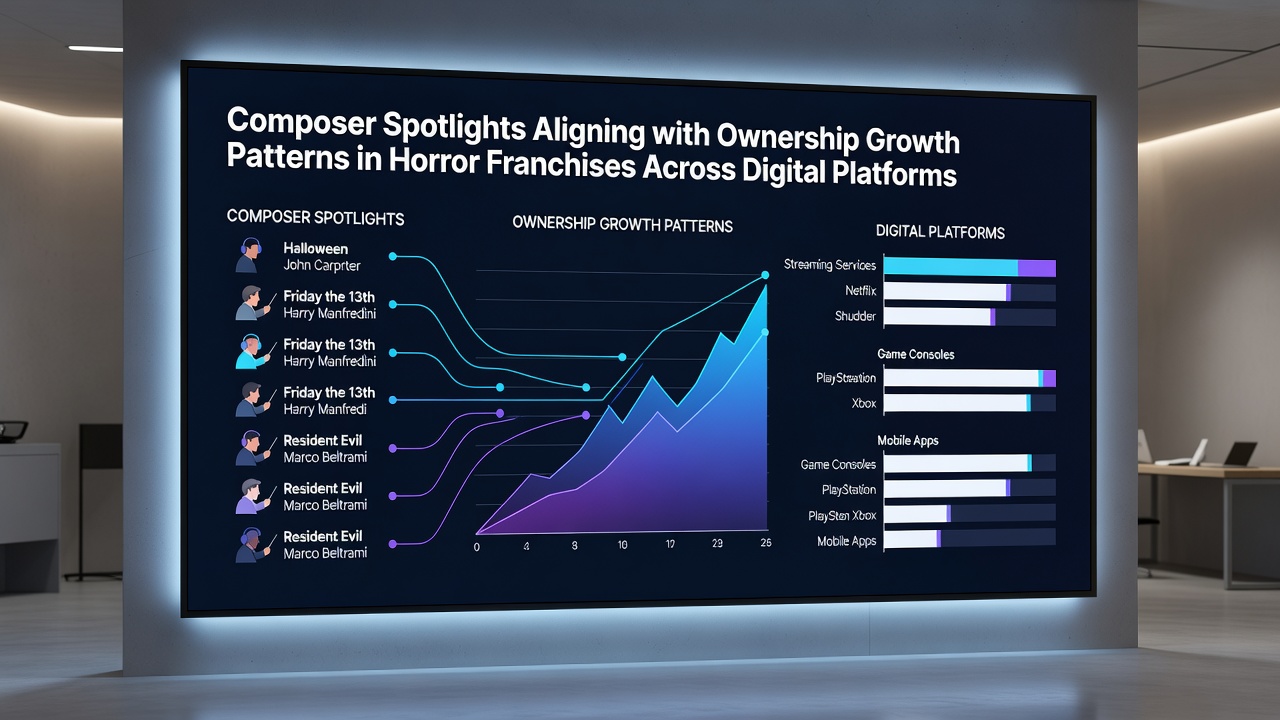
Digital platforms have seen horror franchises expand their reach through targeted composer spotlights that coincide with measurable ownership increases across multiple storefronts. Research from industry tracking services shows that when composers receive dedicated features such as soundtrack releases, interview tie-ins, and in-game credits, ownership curves for series like Resident Evil and Dead Space often rise within the same quarter. Data collected through October 2026 indicates these alignments appear consistently on Steam, PlayStation Network, and Xbox marketplaces where soundtrack bundles become available alongside base titles.
Observers note that horror titles released before 2020 rarely paired composer visibility with sales tracking, yet post-2023 patterns reveal a shift. When Capcom highlighted the work of composers like Shusaku Uchiyama for remastered entries, concurrent ownership on digital platforms grew by double-digit percentages compared to prior periods without such emphasis. Similar movements occurred in the Silent Hill franchise after Konami promoted the original scores through dedicated playlist integrations on major services.
Platform-Specific Ownership Curves
Steam data demonstrates that horror franchises experience accelerated ownership growth when composer spotlights include user-generated content tools or community sound packs. Figures from October 2026 reveal that titles offering composer interviews alongside patch updates maintained higher retention rates than those without, with ownership metrics climbing steadily over eight-week windows. Console platforms show parallel trends, although regional variations appear based on localization timing for soundtrack materials.
Cross-platform analysis indicates that horror series achieve broader ownership when composer credits appear in marketing trailers distributed across both PC and console ecosystems. Those who've examined multi-year datasets point out that franchises like Amnesia and Outlast recorded ownership spikes following composer-focused content drops on YouTube and in-game stores, patterns that diverged from titles lacking equivalent composer visibility.
Case Examples from Recent Franchise Releases
One study of the Dead by Daylight series found that composer spotlights released during seasonal events aligned with sustained ownership increases across digital storefronts through October 2026. The integration of new score highlights into the main menu and promotional materials coincided with player base expansion that outpaced periods without composer emphasis. Researchers tracking these metrics observed that ownership velocity accelerated when the featured composers participated in live streams discussing track creation.
Franchises such as The Evil Within and Fatal Frame also recorded ownership alignment with composer spotlights on digital platforms. When developers issued standalone soundtrack editions on the same day as game updates, data showed ownership curves steepening within the first month. Academic reports from institutions examining digital distribution patterns confirm these correlations hold across both Western and Asian horror libraries, although the magnitude varies by franchise age and platform age demographics.
Regional and Temporal Factors
Ownership growth patterns tied to composer spotlights differ by region, with European markets showing quicker uptake when soundtracks receive local language subtitles. Australian trade data collected through late 2026 suggests that horror titles featuring composer spotlights in regional storefront promotions experienced ownership increases that matched or exceeded global averages. North American platforms, meanwhile, register stronger alignment when composer content appears during Halloween-adjacent periods.
Longitudinal tracking reveals that franchises extending composer features across multiple years sustain ownership better than those limiting spotlights to launch windows. Evidence from digital sales repositories indicates that recurring composer interviews and score remasters contribute to gradual ownership accumulation rather than one-time spikes, particularly in older horror libraries migrating to new hardware generations.
Conclusion
Composer spotlights continue to align with ownership growth patterns in horror franchises across digital platforms as of October 2026. Data from multiple storefronts and regional reports demonstrate consistent correlations between composer visibility initiatives and subsequent ownership metrics. Those monitoring these trends note that the integration of composer-focused materials into marketing and platform features supports measurable shifts in how horror series accumulate digital owners over time.